


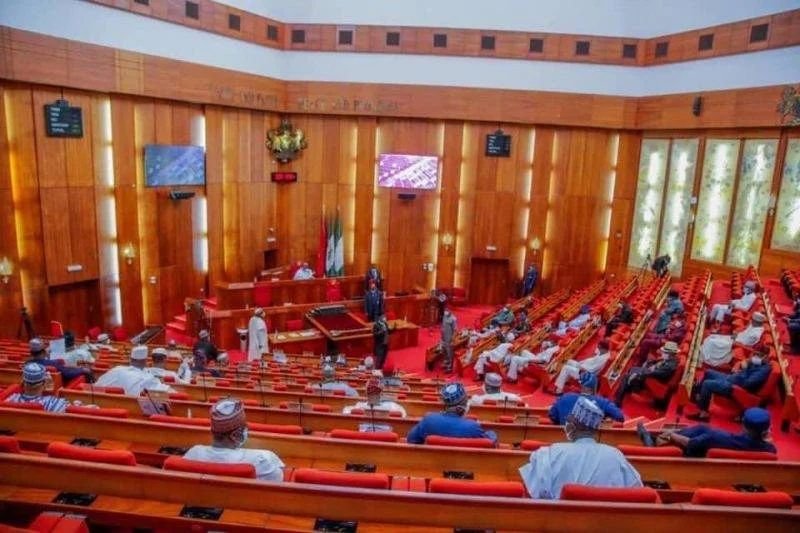
The Senate on Wednesday passed a constitutional amendment bill seeking to establish state police across Nigeria, bringing the country closer to one of its most significant security reforms in decades.
The proposal, which received the support of more than two-thirds of senators, is designed to allow states to operate their own police services alongside the existing Nigeria Police Force.
While the bill has not yet become law, its passage by the Senate marks a major milestone in the long-running debate over whether policing should remain under the exclusive control of the Federal Government.
Here are some key things Nigerians should know about the proposed state police system:
The bill does not abolish the Nigeria Police Force. Instead, it creates a dual policing structure where both federal and state police services will operate at the same time.
The federal police will continue to handle national security matters, while state police will focus on security issues within their respective states.
Under the proposed law, each state police service will be headed by a Commissioner of Police appointed by the governor and confirmed by the State House of Assembly.
The Inspector-General of Police will remain the head of the federal police system.
The bill allows governors to issue lawful directives to state police commissioners on issues relating to public safety and the maintenance of law and order within their states.
Supporters say this will enable quicker responses to local security challenges.
One of the biggest concerns about state police has been the fear that governors could use the force against political opponents.
To address this, the bill states that a state police commissioner cannot arrest, detain, investigate or deploy force against any individual, political party or group simply for criticising the government, except in accordance with the law.
The provision is aimed at protecting civil liberties, political freedoms and the rights of citizens.
Advocates argue that Nigeria’s current centralised policing system is overstretched and struggling to cope with rising insecurity across the country.
They believe state police will improve intelligence gathering, strengthen community policing and enable faster responses to crimes such as kidnapping, banditry, terrorism, armed robbery and communal clashes.
Despite the support for the proposal, critics warn that state police could be misused by some state governments.
They fear it may become a tool for political intimidation if adequate checks and balances are not enforced.
The Senate’s approval is not the final step. The constitutional amendment must still secure approval from the required number of State Houses of Assembly and complete other constitutional processes before it can become law.
If eventually approved, the reform is expected to reshape Nigeria’s security system and give states a greater role in protecting lives and property.
For now, the Senate’s decision represents a major step toward the possible creation of state-controlled police services operating alongside the federal police structure.