

The Association of Town Planning Consultants of Nigeria has called for urgent reforms in urban planning, warning that weak enforcement of planning laws and poor development practices are contributing to growing environmental and infrastructure challenges in Nigerian cities.
The association said governments at all levels must strengthen the implementation of physical planning laws and involve qualified town planning consultants in decisions concerning the development and expansion of cities.
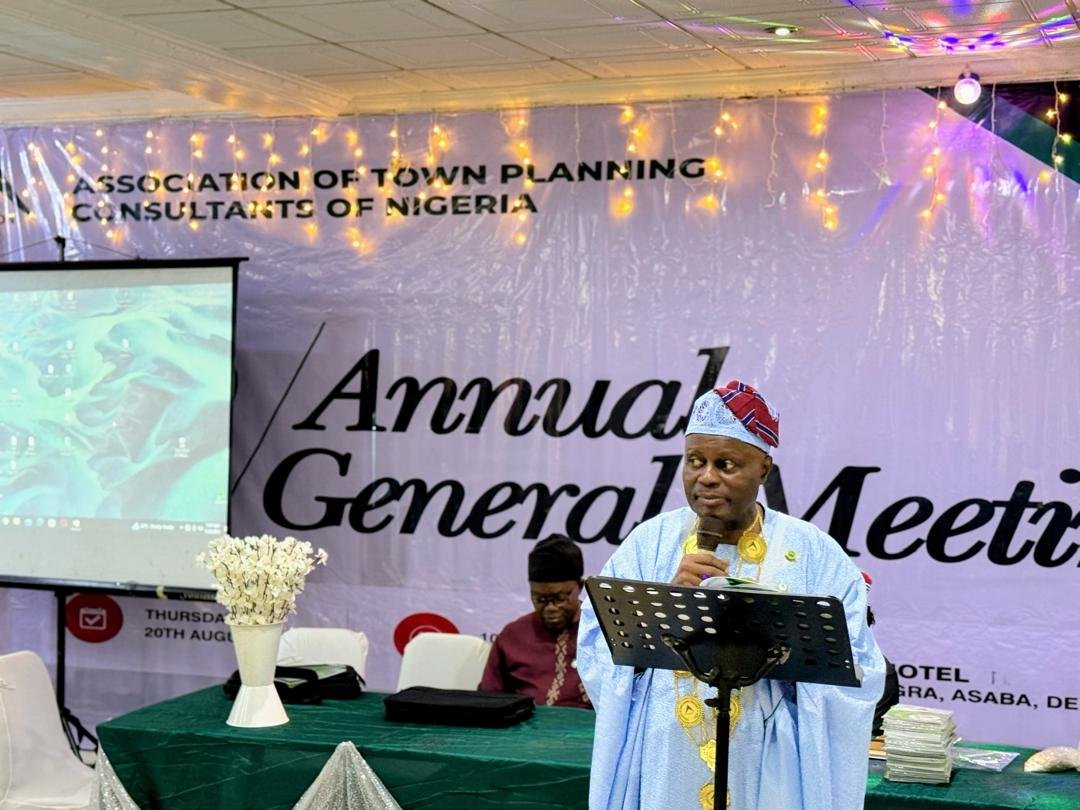
The call was made on Thursday during the 2026 Annual General Meeting of ATOPCON held at Orchid Hotel, Asaba, Delta State.
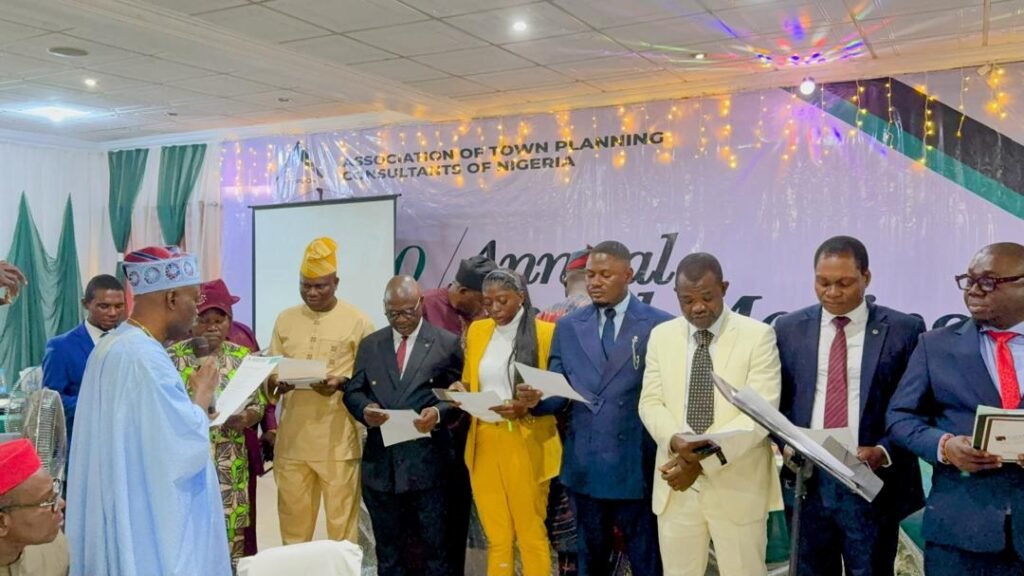
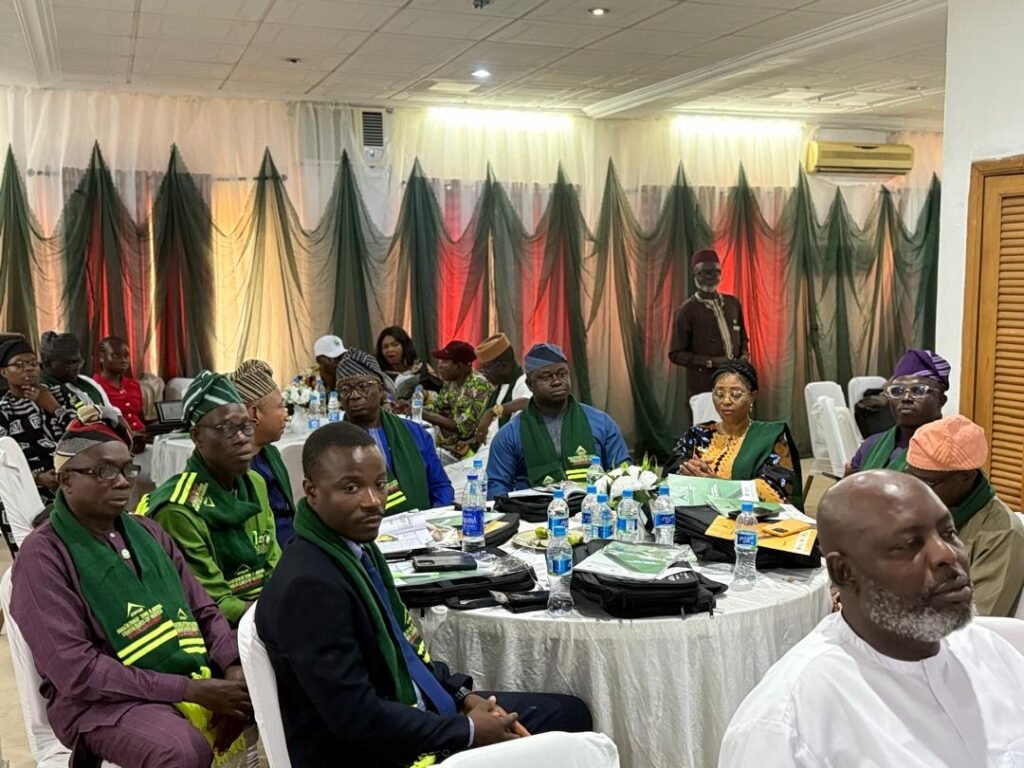
The event brought together more than 100 town planning consultants, member firms, government representatives and other stakeholders from different parts of the country. Twenty-two new members were also inducted into the association.
‘Stop approving developments without proper planning’
The President of ATOPCON, TPL. Hakeem Olatunji Badejo, FNITP, said Nigeria could not achieve orderly and sustainable cities without giving physical planning the attention it deserves.
Badejo urged municipal authorities to work with indigenous planning consultants and comply with procurement laws and Executive Order 5 of 2018.
He expressed concern over the alteration of approved development plans and the conversion of land reserved for specific purposes, particularly green open spaces.
He described green areas as the “lungs of our cities” and urged professionals to resist attempts to convert them, even when such decisions were presented as being in the public interest.
The ATOPCON president also criticised the preference for foreign consultants on some planning projects, saying Nigerian professionals had the capacity to handle such assignments.
He warned member firms against allowing themselves to serve as fronts for foreign consultants, saying those found culpable would face sanctions.
The Surveyor General of Delta State, Surveyor Wilson Agbeka, also stressed the importance of accurate geographical and environmental information in urban development.
Agbeka said planners and other professionals must consider the physical characteristics of an area before approving or executing development projects.
He particularly urged stakeholders to pay attention to environmental information in flood-prone areas to prevent development decisions from worsening flooding and other environmental problems.
According to him, access to reliable geographical information would help professionals make better decisions and reduce the risks associated with poor planning.
The National President of the Nigerian Institute of Town Planners, TPL. Dr Ogbonna Chime, FNITP, called on states to strengthen their legal framework for urban and regional planning.
Chime said states without appropriate planning laws should urgently enact them, while those with existing laws should ensure they are properly implemented.
He described ATOPCON as a strategic organisation because its members are directly involved in the practical application of planning standards through physical development plans, urban renewal schemes, environmental studies and infrastructure planning.
He called for closer cooperation between NITP and ATOPCON in policy advocacy, research, professional development and engagement with governments.
The President of the Town Planners Registration Council of Nigeria, TPL. Valentine Anayochukwu Ikezinwa, FNITP, urged town planning consultants to maintain high professional and ethical standards.
Ikezinwa said rapid urbanisation, pressure on infrastructure and environmental challenges required cities to adopt resilient master plans, sustainable land-use strategies and climate-smart development.
He also advocated stronger mentorship for young planners and wider use of digital mapping and smart planning technologies.
He assured ATOPCON of TOPREC’s continued partnership in improving professional standards and tackling quackery in the industry.
The Chairman of ATOPCON’s Board of Trustees, TPL. Waheed Kadiri, FNITP, said the association had grown significantly in membership, finances, organisational capacity and visibility.
He, however, challenged the association to ensure that its growth translated into greater influence in national urban development discussions.
Kadiri said ATOPCON’s next phase should focus on “quality, relevance, visibility and influence.”
He urged state branches to become centres for professional debate, mentoring, knowledge sharing and public engagement.
He also encouraged the association to make greater use of digital platforms, including webinars and virtual discussions, to reach planners, policymakers, developers, students and the wider public.
Kadiri urged members to anticipate emerging urban challenges instead of waiting until they developed into major crises.
The Chairman of ATOPCON, Delta State Branch, TPL. Dr Emmanuel Moemeke, said the branch had played a historic role in the association as the first ATOPCON branch inaugurated in Nigeria.
He said the branch was suspended in the past following internal disagreements but had since been revived by the current leadership.
Moemeke described the hosting of the 2026 AGM in Delta as a significant achievement and appealed to the national leadership to continue supporting the branch.
The AGM also featured discussions on the challenges facing town planning consultancy, a review of the association’s activities and finances, and the induction of 22 new members.
Participants agreed on the need for stronger professional standards, improved government engagement and better enforcement of planning regulations to make Nigerian cities more orderly, resilient and sustainable.