


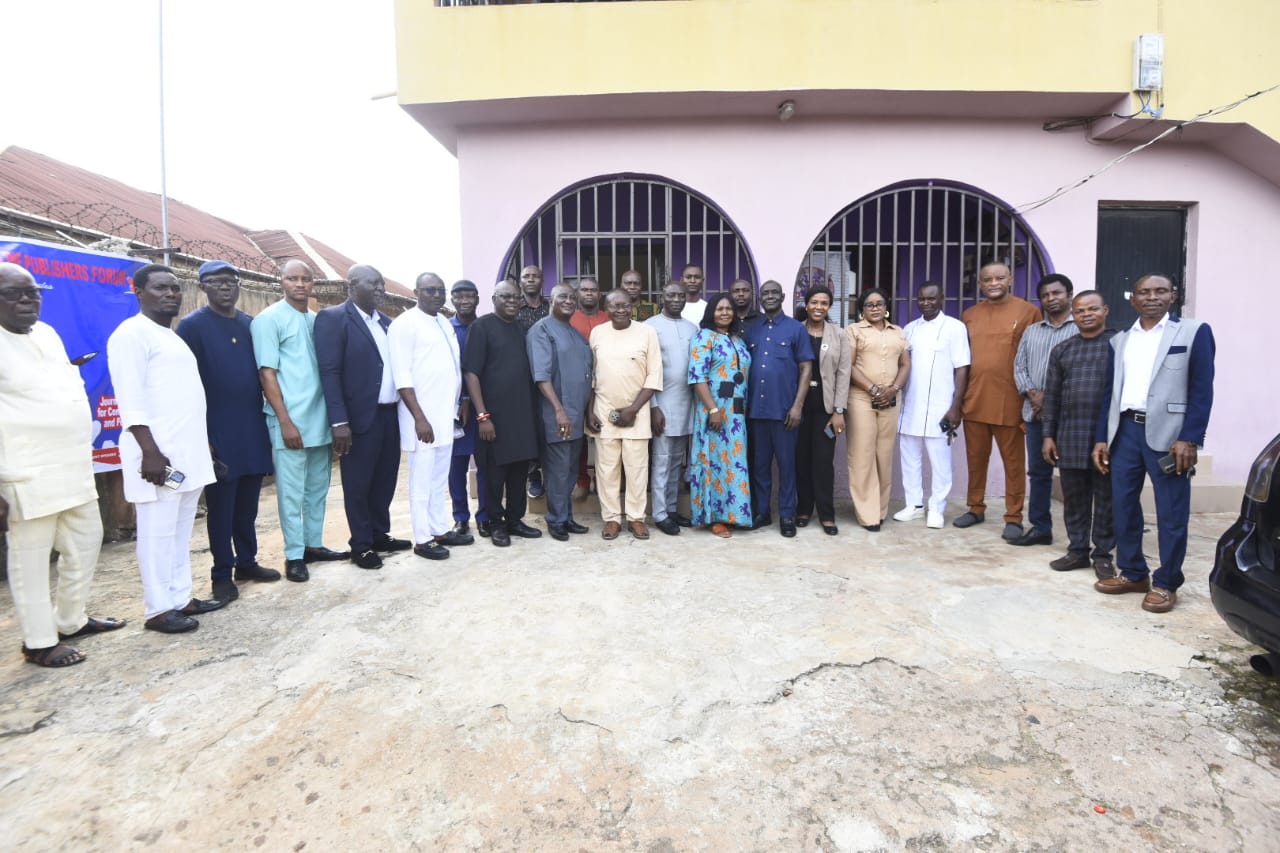
Journalists under the umbrella of the Delta Online Publishers Forum (DOPF) have been called upon to use journalism as a powerful instrument for conflict prevention, peace building, and national development as part of activities marking the 2026 World Press Freedom Day celebration in Asaba, Delta State.
The call was made during a public lecture themed, “Journalism as a Tool for Conflict Prevention and Peace Building,” held at the DOPF Secretariat in Asaba, where media practitioners, government officials, and communication experts gathered to discuss the role of the press in strengthening democracy and promoting social harmony in Nigeria.
Delivering the keynote lecture, media scholar and communication expert, Dr. Gideon Isika, stressed that the Nigerian media must rise above political influence, misinformation, and unethical practices in order to safeguard the truth and promote national unity.
He described this year’s World Press Freedom Day theme as timely, noting that Nigeria is currently facing serious security, political, and governance challenges that require responsible journalism and ethical reporting.
According to Dr. Isika, journalists occupy a strategic position in society and must use their platforms to encourage dialogue, reduce tensions, and promote peaceful coexistence among citizens.
“Journalists must rise above political pressure, propaganda and ethical lapses to uphold truth and foster national cohesion,” he stated.
He explained that conflict, when properly managed, could lead to positive change and lasting solutions, but warned that poorly handled conflicts often result in violence, mistrust, instability, and underdevelopment.
“Conflict is not entirely negative if properly handled as it can lead to lasting solutions, but when mismanaged, it results in chaos, distrust and underdevelopment,” he said.
The communication expert further emphasised that the media has a constitutional responsibility to provide citizens with accurate and factual information, stressing that truth remains the foundation of credible journalism.
“The public has the right to know the truth, and journalists must remain committed to that responsibility at all times,” he added.
Dr. Isika also criticised what he described as the growing culture of sensationalism, misinformation, and lack of proper fact-checking in online journalism, warning that the credibility of the profession is under threat.
According to him, many digital media platforms now prioritise speed and attention-grabbing headlines over accuracy and professionalism, thereby eroding public trust in the media.
“Credibility is the cornerstone of journalism. Without trustworthiness and expertise, the profession becomes nothing more than distorted narratives,” he warned.
He further condemned “begging-bowl journalism” and the tendency of some practitioners to excessively glorify political office holders instead of holding them accountable to the people.
“Journalists must act as watchdogs, not lapdogs, of those in power. They must resist manipulation and refuse to sacrifice truth for personal gain or political convenience,” Dr. Isika stated.
The guest lecturer urged media practitioners to uphold global ethical standards of journalism, including fairness, balance, accuracy, objectivity, and respect for diversity, while avoiding reports capable of inflaming ethnic, political, or religious tensions.
He also encouraged journalists to use interviews, talk shows, public engagements, and community forums as platforms for promoting constructive conversations and peaceful dialogue across the country.
“With journalists acting in good conscience and upholding professional ethics, national rebirth is possible. Media practitioners must see themselves as critical stakeholders in nation-building because the survival and progress of Nigeria depend largely on the integrity and courage of its press,” he said.
Speaking at the event, the Executive Assistant to the Delta State Governor on New Media, Comrade Felix Ofou, commended the Delta Online Publishers Forum for maintaining independence and professionalism in online journalism.
He, however, stressed the need for stronger credibility and self-regulation within the media industry.
“You cannot be a successful journalist when you are not independent. Financial independence is the heart of the profession, and that is why the idea behind DOPF resonates with me,” Ofou stated.
Other dignitaries who spoke at the event included the Director-General of the Delta State Orientation and Communications Bureau, Fred Oghenesivbe; representatives of the National Orientation Agency; Delta State Chairman of the Nigeria Union of Journalists (NUJ), Comrade Churchill Oyowe; and the Chairperson of the Nigeria Association of Women Journalists (NAWOJ), Comrade Sonia Unobunjo.
Earlier in his welcome address, Chairman of the Delta Online Publishers Forum, Comrade Emmanuel Enebeli, said the organisation was established to promote professionalism and ethical standards in online journalism practice.
Enebeli disclosed that membership of the forum is strictly reserved for qualified journalists whose media organisations are duly registered with the Corporate Affairs Commission (CAC).
According to him, DOPF remains committed to promoting responsible journalism, protecting media integrity, and supporting democratic development through credible online reporting.