


As Nigeria marked this year’s Democracy Day, the mood across the country reflected both concern and hope. While many citizens voiced frustration over the rising cost of living, insecurity and economic hardship, others expressed confidence that the reforms introduced by the government could eventually deliver long-term benefits for the nation.
Democracy gives citizens the right to speak out about issues affecting their lives, and such expressions are an important part of any democratic society. At the same time, solving deep-rooted national challenges often takes time. Many of the economic and security problems facing Nigeria today developed over several years and cannot be fixed overnight.
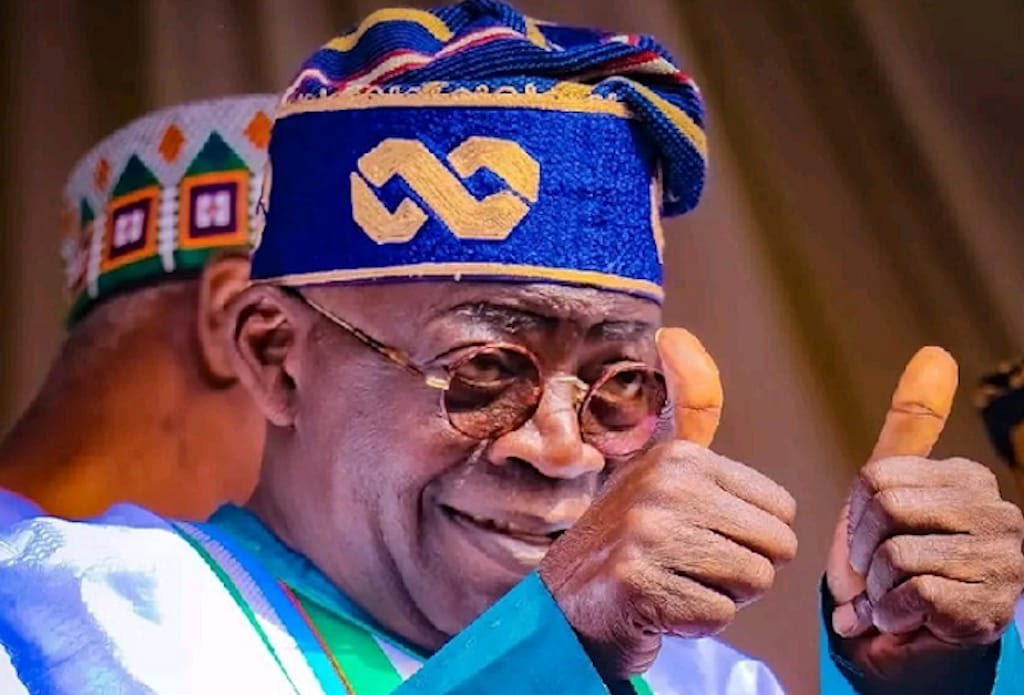
Since taking office, President Bola Ahmed Tinubu has faced the difficult task of addressing serious economic and security challenges. His administration has introduced major reforms aimed at stabilizing the economy, attracting investment and creating a stronger foundation for future growth. Although many Nigerians are eager to see quick improvements, the impact of such policies usually takes time to become visible.
In a democratic system, opposition parties and critics play a vital role by holding government accountable. Their scrutiny helps strengthen governance and encourages better decision-making. However, criticism is most effective when it focuses on finding solutions and supporting national development rather than simply deepening political divisions.
A recent development that has attracted attention is the positive assessment of Nigeria’s economic reforms by Shell plc Chief Executive Officer, Wael Sawan. During a visit to the Presidential Villa, Sawan revealed that Shell and its partners are considering investing an additional $20 billion in the Bonga South West deepwater project. He attributed the interest to improvements in Nigeria’s investment environment and policy direction.
If the investment moves forward, it could create thousands of jobs, increase foreign exchange earnings, expand opportunities for local businesses and strengthen Nigeria’s position in the global energy sector. The announcement is also seen as a sign of growing confidence among international investors.
As Nigerians reflect on the significance of Democracy Day, attention should remain focused on strengthening democratic institutions, promoting unity and supporting policies that encourage sustainable development. While challenges persist, there are encouraging signs that consistent reforms and collective effort can help move the country toward a more prosperous future.
Nigeria’s path to growth may not be easy, but lasting progress often requires patience, commitment and shared responsibility. Beyond demanding change, every citizen has a role to play in building a stronger and more successful nation for generations to come.