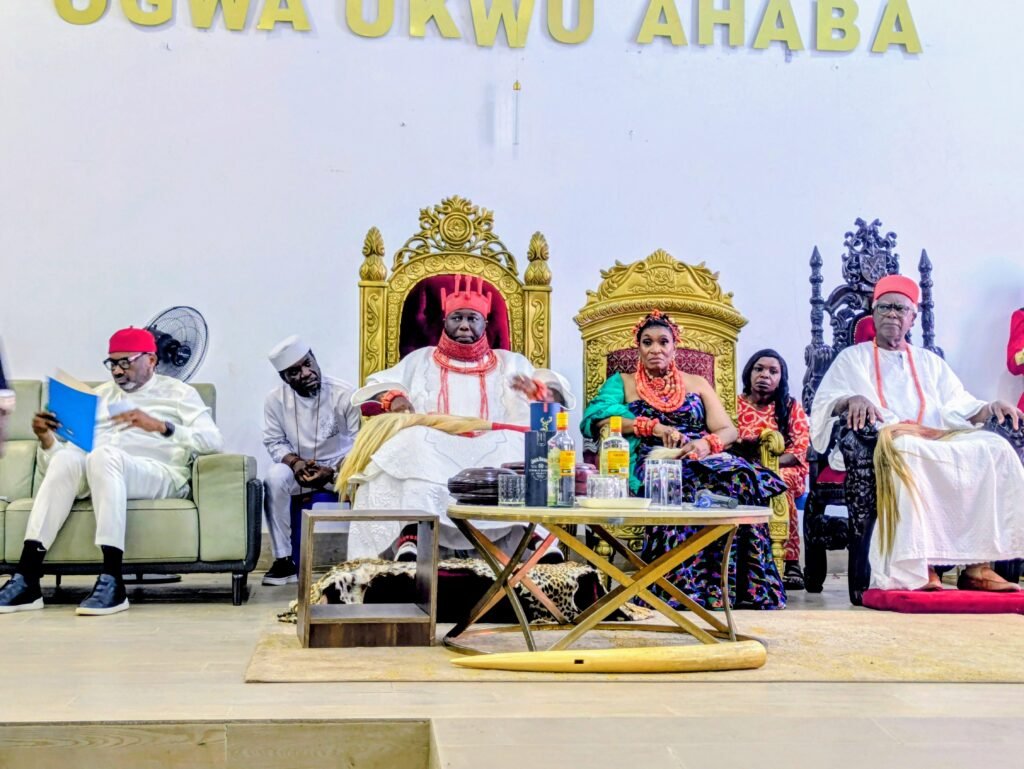


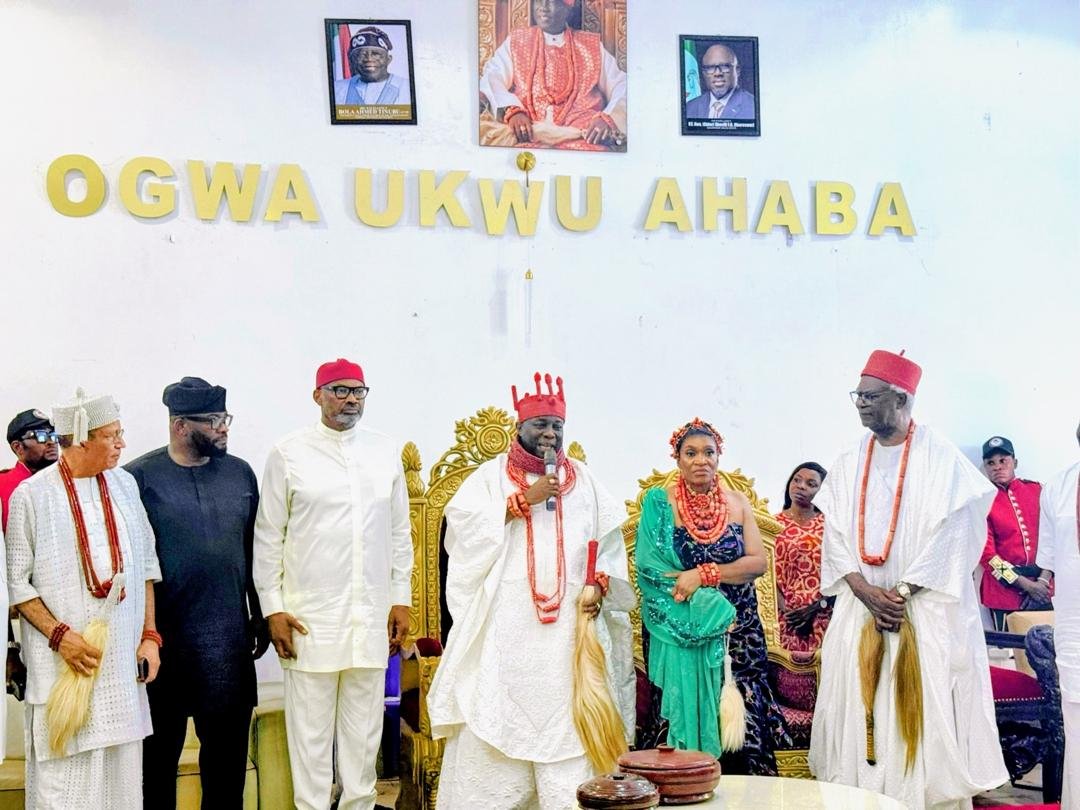
The Federal Government will make a formal reconciliation declaration over the 1967 Asaba Massacre, Delta State Governor, Sheriff Oborevwori, said on Wednesday.
Oborevwori, represented by the Secretary to the State Government, Kingsley Emu, disclosed this at the 59th anniversary memorial of the massacre in Asaba, where hundreds of civilians were killed during the Nigerian Civil War.
The governor said official acknowledgement of the tragedy by the Federal Government was necessary to promote reconciliation, noting that the Delta State Government had already recognised the massacre.
“An official acknowledgement by the respective governments is critical. Delta State has acknowledged the tragedy. Nigeria will acknowledge it, and we believe the world will also acknowledge it,” Oborevwori said.
He added, “A formal reconciliation declaration will be made by the Nigerian Government, and we are hopeful that this will happen.”
However, the Asagba of Asaba, Prof Epiphany Azinge, said the community had forgiven but would not forget the killings, insisting that full closure would require a public apology from a sitting President.
“There will be no closure and no healing until a sitting President of Nigeria publicly apologises to the Asaba people,” Azinge said.
The memorial also featured an apology by retired Major-General Ahmed Ibrahim Taiwo, whose late father, Major Ibrahim Taiwo, was an Army officer associated with the events. Taiwo said he had researched his father’s role for years before deciding to apologise to the people of Asaba.
“I cannot change what happened, but I believe and pray that this gesture can be a step towards reconciliation,” he said.
Former President Olusegun Obasanjo, in a recorded message, described the massacre as one of the most painful episodes of the Nigerian Civil War and urged Nigerians to embrace forgiveness.
The Obi of Onitsha, Igwe Nnaemeka Achebe, also called for truth, justice, restoration and healing before forgiveness, saying, “There must be truth. There must be justice. There must be healing. And then, forgiveness can follow.”
Emu said the proposed Asaba memorial centre would preserve the names, testimonies and records of victims for future generations, adding that reconciliation should focus on forgiveness rather than revenge.
“Never again should ethnicity, suspicion or political conflict become a licence for the killing of innocent people,” Oborevwori said.