


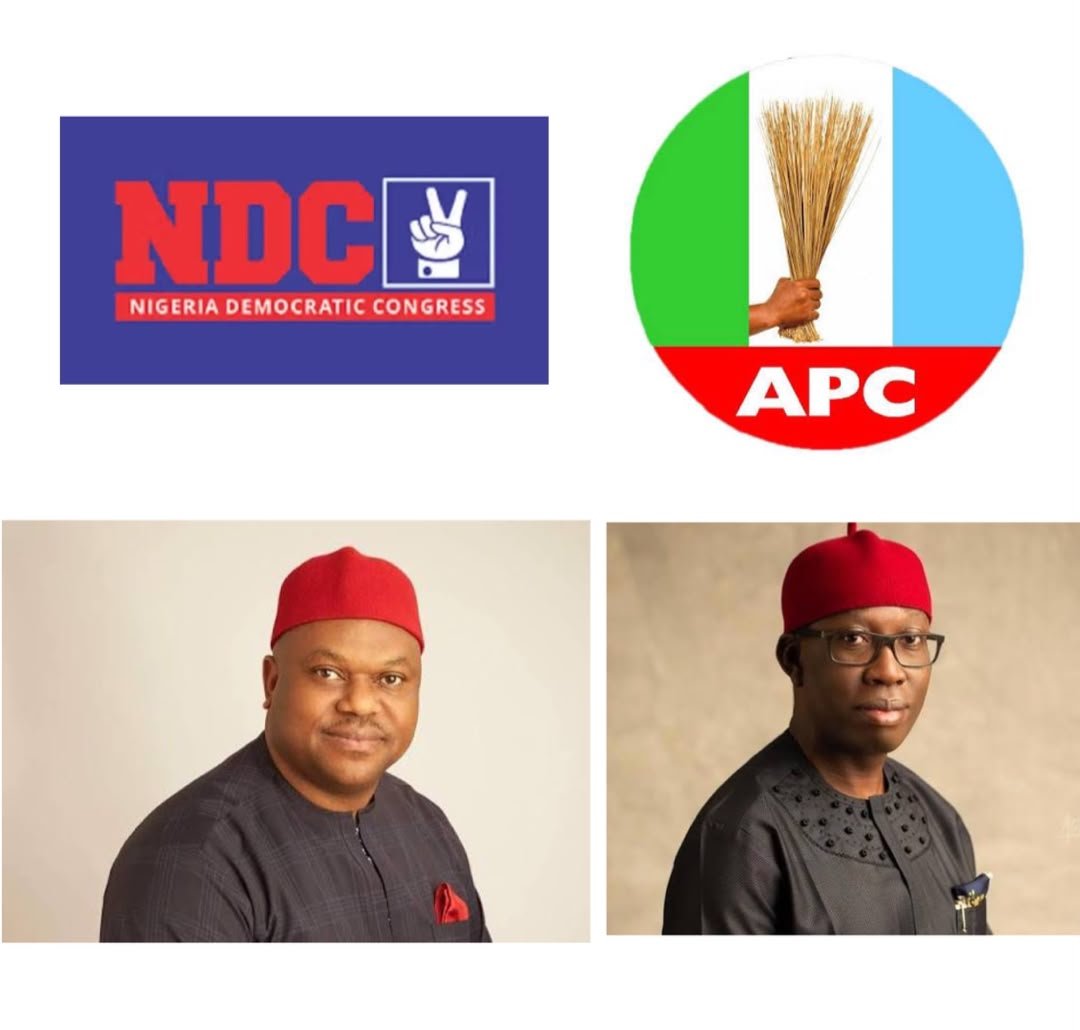
As political activities gather momentum ahead of the 2027 elections, the Delta North Senate contest is generating debate over rotation, experience, generational change and the right of voters to choose their preferred representative.
With campaigns now gathering pace ahead of the 2027 general elections, attention is turning to the various contests that will shape the next political cycle.
In Delta North, the battle for the Senate seat is already attracting interest, with political actors and voters weighing different considerations, including experience, performance, zoning, party platforms, character and the need for fresh representation.
The district, made up of nine local government areas, has produced senators from different parts of the zone over the years. This history has continued to fuel conversations about political rotation and whether different parts of the district should have opportunities to produce representatives.
However, while some political stakeholders argue that rotation promotes fairness and inclusiveness, others believe that competence and the choice of voters should remain the overriding considerations in elections.
The debate has become more prominent following recent political developments surrounding the Senate race and the emergence of candidates from different parts of Delta North.
For some stakeholders, the issue is whether existing political understandings about rotation should influence the contest. For others, such arrangements should not prevent qualified candidates from contesting or deny voters the opportunity to choose whoever they consider most capable.
The distinction is important because political rotation, where it exists, is generally a political arrangement rather than a constitutional requirement. Ultimately, the electorate retains the power to choose its representative through the ballot.
Among the prominent names associated with the contest is former Delta State Governor, Senator Ifeanyi Okowa, who is constitutionally qualified to seek election to the Senate.
Okowa has previously represented Delta North in the Senate and later served as governor of Delta State. His supporters point to his experience in the legislature and executive, while those seeking a different direction may argue that previous service should not automatically translate into another mandate.
Victor Ochei, a former Speaker of the Delta State House of Assembly and former lawmaker, is also among the political figures linked to the contest.
Ochei brings legislative experience to the race, having served in the state legislature and occupied the position of Speaker.
The emergence of experienced politicians raises another question: should the district prioritise tested experience or create greater space for a new generation of political leaders?
There is no simple answer.
Experience can provide familiarity with government processes, legislation and public administration. At the same time, generational renewal can introduce new perspectives, ideas and approaches to representation.
For voters, therefore, the debate should go beyond the age or political history of individual candidates.
A senator represents the interests of the district at the National Assembly and participates in lawmaking, oversight and other constitutional responsibilities. The ability to understand these responsibilities and effectively represent constituents should therefore be part of the assessment.
Track record should also matter.
Candidates who have previously held public office can be assessed based on their records, while those seeking office for the first time can be judged on their experience, ideas, competence and understanding of the challenges facing the district.
Party affiliation is another factor likely to shape the contest.
With politicians moving between political platforms and new alliances emerging ahead of the 2027 elections, traditional party loyalties may not be sufficient to determine how voters will behave.
The major political parties and emerging platforms will have to convince voters that their candidates can provide effective representation.
For Delta North, the issues extend beyond the personalities involved in the contest.
The district has significant agricultural, commercial, educational and economic interests, as well as communities spread across nine local government areas. Its representative will be expected to advocate for these interests and contribute to legislation and policies that affect the people.
This makes the quality of the candidates and the issues they present particularly important.
The debate over rotation should therefore be approached carefully.
Where communities or political groups have developed informal understandings about zoning or rotation, such arrangements may influence political decisions. But they should not be presented as constitutional entitlements unless backed by law.
At the same time, arguments for competence should not be used to dismiss legitimate concerns about inclusion and fairness.
A healthy political contest should allow both considerations to exist: communities can discuss fairness and rotation, while voters remain free to examine the records and capacity of all candidates.
The question of generational change is equally important.
Young people constitute a significant part of the electorate and are increasingly demanding greater participation in governance. But renewal should not necessarily mean replacing experience solely because of age.
What matters is whether a candidate has the capacity, character, vision and commitment required to serve effectively.
The 2027 Delta North Senate contest therefore presents voters with an opportunity to examine the choices before them carefully.
Rather than allowing political slogans, ethnic sentiments, party loyalty or longstanding alliances to determine the conversation, the electorate can demand clear positions from candidates on issues affecting the district.
These include infrastructure, employment, education, healthcare, agriculture, economic development, security and effective representation at the federal level.
Candidates should also be prepared to explain what they intend to do differently and how they plan to achieve their promises.
For the electorate, the choice ultimately belongs to them.
Rotation may remain an important part of the political conversation. Experience may influence some voters. Others may prefer fresh leadership or a particular political platform.
None of these considerations should remove the responsibility of candidates to convince voters or the right of voters to make their choice.
As the 2027 election approaches, Delta North has an opportunity to have a broader conversation about the kind of representation it wants.
The contest should not merely be about who gets the seat, but what the next senator can offer the district and how effectively that person can represent its diverse interests.
In the end, political arrangements may influence the contest, parties may shape the field, and candidates may present their records, but the mandate belongs to the people.
Let the electorate judge the candidates on their records, character, capacity and vision, and let a free, fair and credible election determine the outcome.