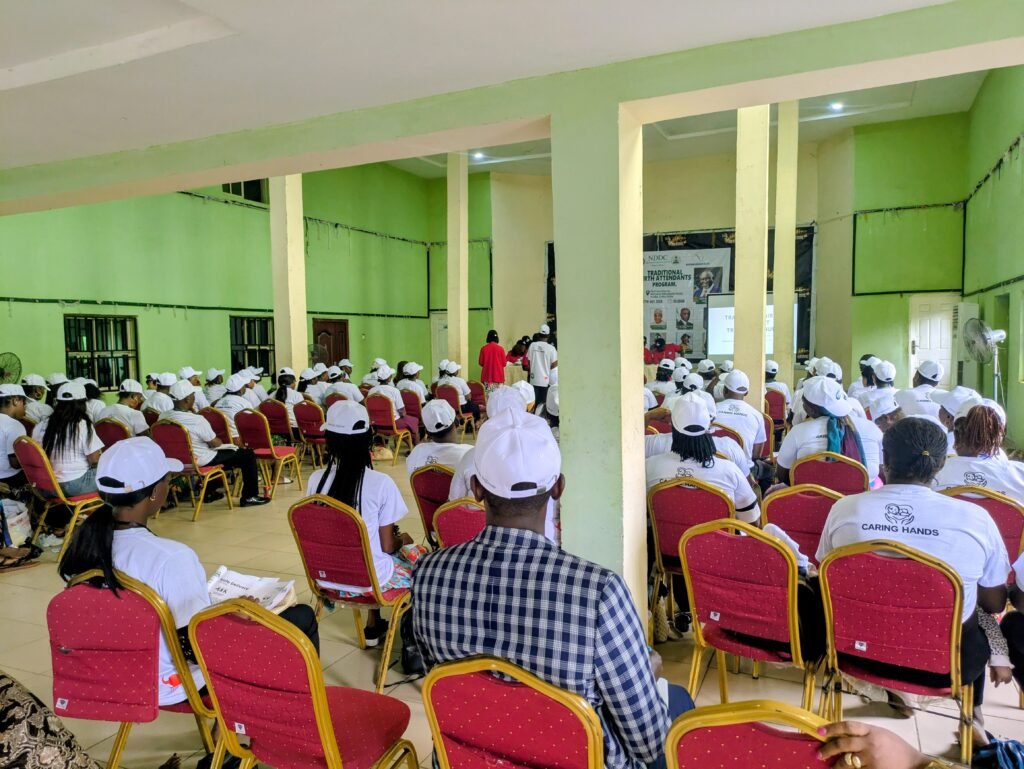


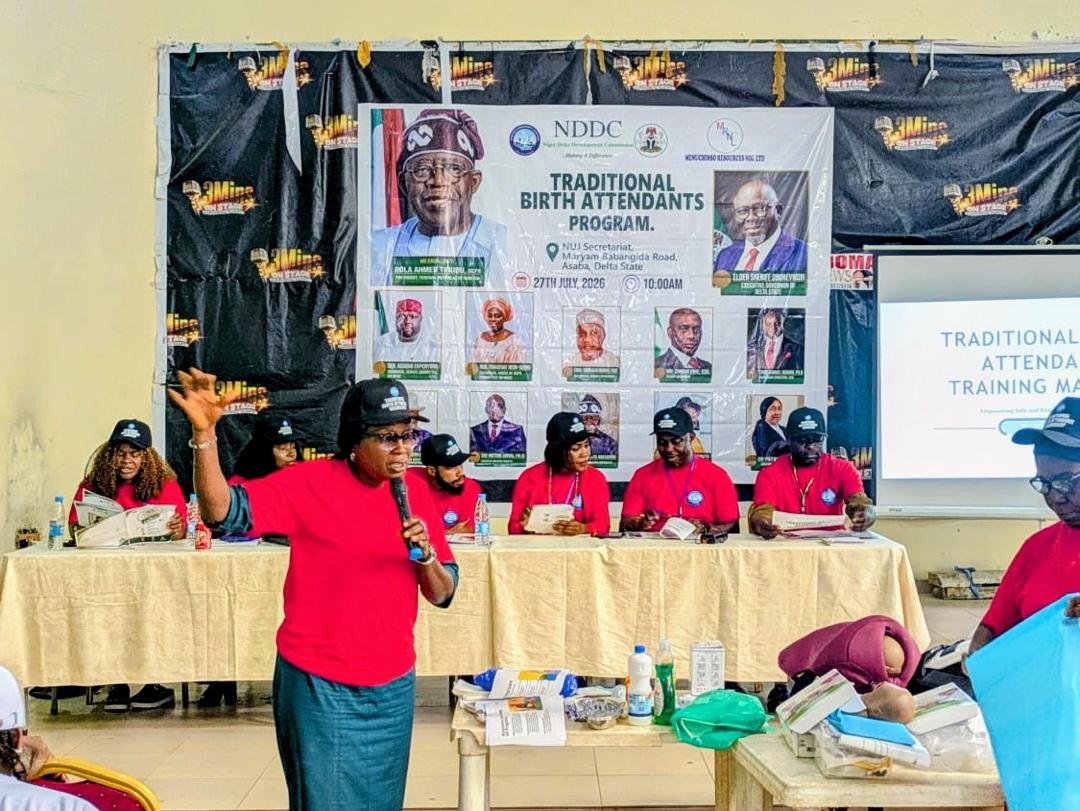
The Niger Delta Development Commission (NDDC), in collaboration with Menuchimso Resources Nigeria Limited (MRNL), has trained traditional birth attendants (TBAs) in Delta State on safe delivery practices aimed at reducing maternal and infant deaths.
The one-day training programme, held on Monday at the Nigeria Union of Journalists (NUJ) Press Centre in Asaba, brought together traditional birth attendants and medical experts who educated participants on recognising pregnancy complications, maintaining hygiene and referring high-risk cases to hospitals.
Speaking at the event, the Delta State Director of NDDC, Engr. Omohudoye Joseph Onoriode, represented by the Principal Manager of Education, Health, and Social Services, Mr Precious Peter Okali, stated that the programme was designed to enhance the skills of traditional birth attendants who often serve women in rural communities.
He explained that while many TBAs had years of experience, some still lacked adequate knowledge of modern maternal healthcare practices.
According to him, the training would expose them to updated methods of handling pregnancies and deliveries, help them identify danger signs early and strengthen collaboration with medical professionals.
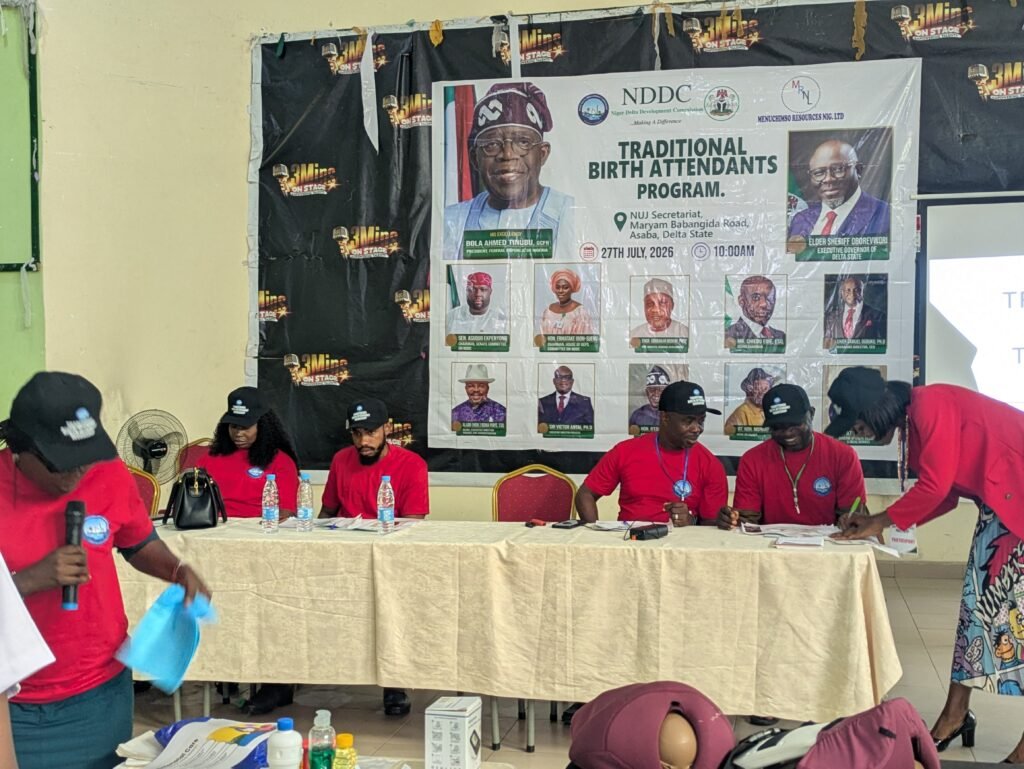
Okali said the programme would also reduce preventable mistakes that contribute to maternal and child deaths, adding that participants were selected from different local government areas across the state.
A Staff Nurse/Midwife at the Federal Medical Centre (FMC), Asaba, Mrs Nnanna Anurika Precious, described the programme as timely, noting that many rural communities still depend on traditional birth attendants because of limited access to healthcare facilities.
She said the training focused on pregnancy care, childbirth and newborn care, adding that equipping TBAs with the right knowledge would improve the quality of care they provide.
Also speaking, a Consultant in the Department of Obstetrics and Gynaecology, FMC Asaba, Dr Lucia Okeke, said the programme was not intended to stop the practice of traditional birth attendants but to guide them on safer methods.
She explained that the training would enable them to recognise pregnancy complications early and refer women to hospitals before their conditions become life-threatening.
Okeke stressed that many maternal deaths and birth complications were preventable if pregnant women received prompt medical attention.
Similarly, the Head of the Department of Obstetrics and Gynaecology, FMC Asaba, Dr Sunday Jombo, said traditional birth attendants remained important because they were trusted members of their communities and were often the first point of contact for pregnant women.
He said the training focused on helping participants identify danger signs such as severe bleeding, persistent headaches, fever, reduced fetal movement and excessive bleeding after delivery.
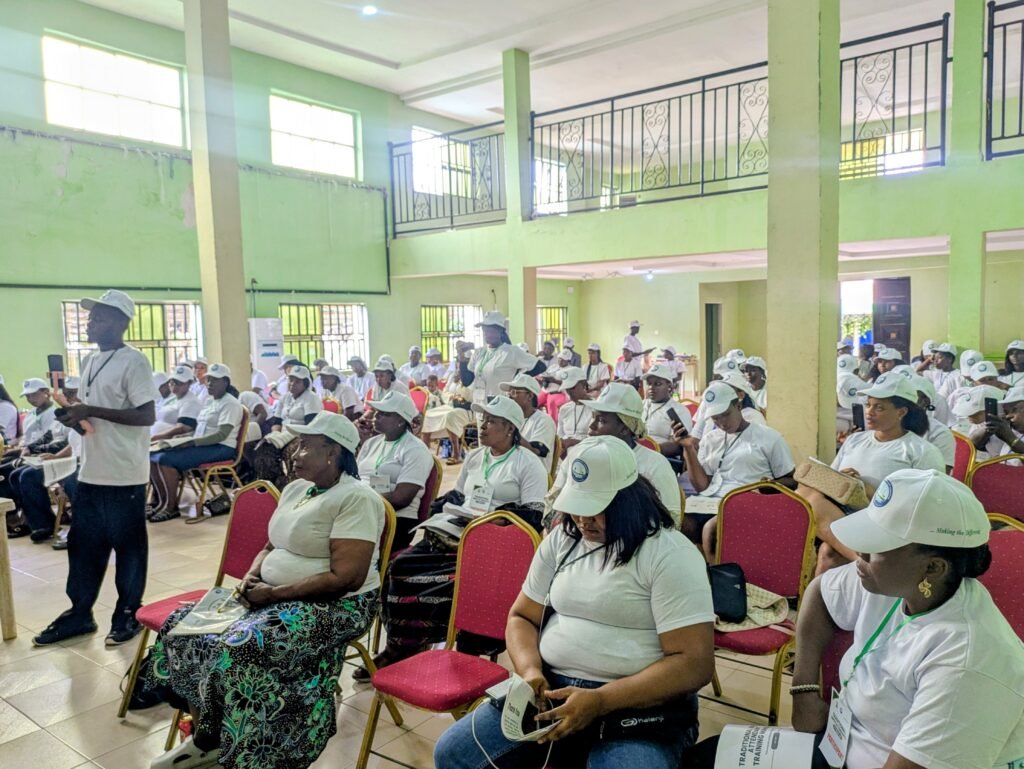
Jombo urged the attendants to refer pregnant women immediately to health facilities whenever complications arise, saying early referral could save the lives of both mother and child.
He also encouraged the adoption of simple medical tools, including digital blood pressure monitors and blood-loss measuring devices, to improve maternal care.
A Registrar in the Department of Obstetrics and Gynaecology at Asaba Specialist Hospital, Dr Emeuazia Wisdom, emphasised the importance of hygiene during pregnancy and childbirth.
He said participants were taught proper handwashing, the use of personal protective equipment (PPE), sterilisation of delivery instruments and infection prevention measures.
Some of the participants commended the organisers for the initiative.
Mr Peter Ozobira said the training had broadened their understanding of maternal healthcare and encouraged pregnant women to undergo ultrasound scans and regular medical checks.
Another participant, Mrs Obidike Gloria, said she learnt proper hygiene practices, the correct use of PPE, how to identify complications after childbirth and when to refer patients to hospitals.
She added that the programme also taught them how to educate pregnant women on antenatal care, nutrition and preparing for childbirth, describing the training as enlightening and beneficial.