


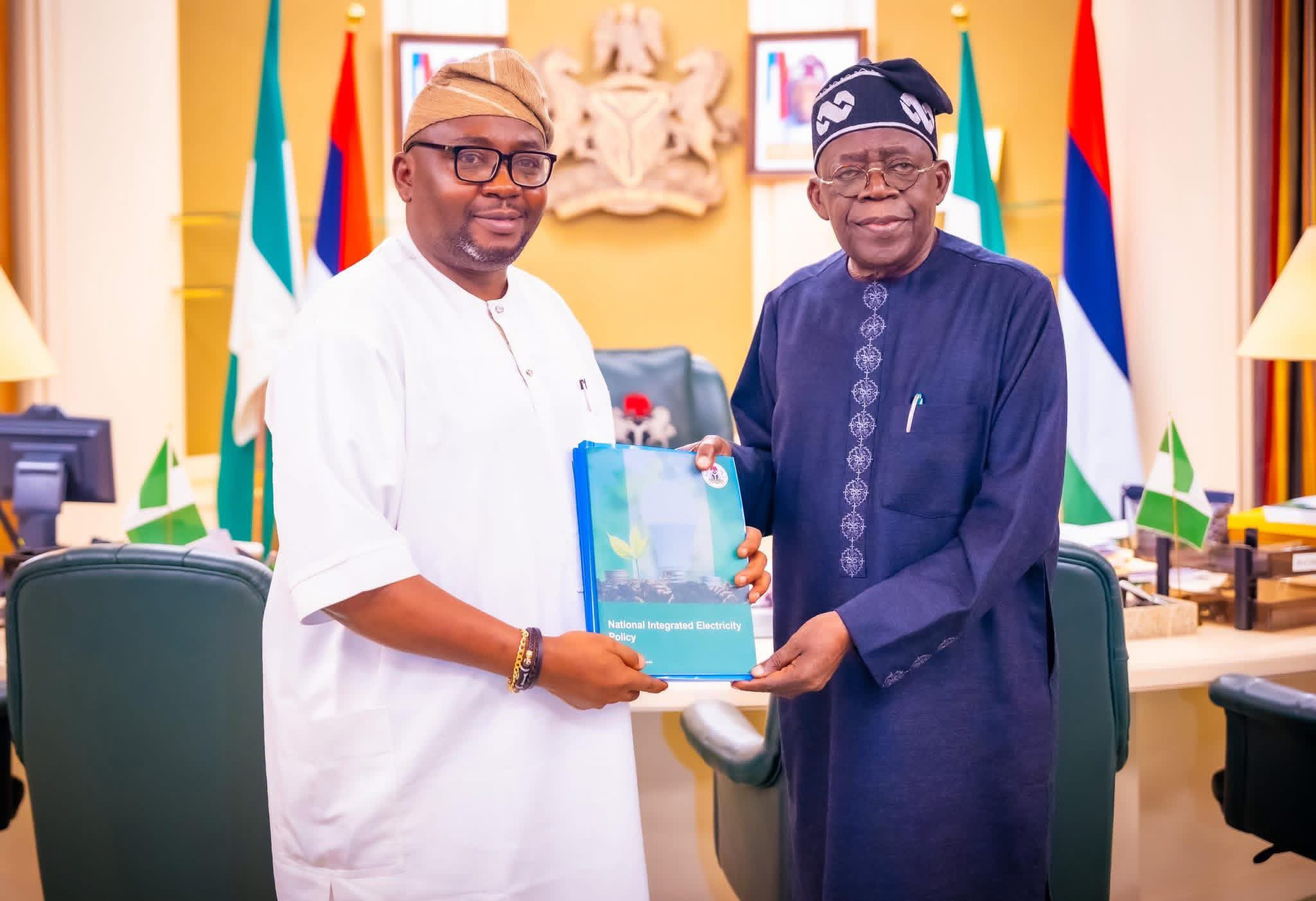
Abuja, April 22, 2026 — Nigeria’s Minister of Power, Adebayo Adelabu, has resigned from his position, citing his intention to pursue the governorship of Oyo State and the need to comply with electoral regulations.
In a resignation letter dated April 22, addressed to President Bola Ahmed Tinubu, Adelabu stated that his exit will take effect on April 30, 2026. He explained that the decision aligns with provisions of the Electoral Act, which requires public office holders seeking elective positions to step down within a stipulated timeframe.
The development follows earlier indications by his spokesperson, Tunji Bolaji, who had hinted at the minister’s impending resignation. Adelabu had, however, declined to confirm the move during a press conference on March 24, stating at the time that his priority remained addressing Nigeria’s electricity challenges.
In his letter, Adelabu expressed gratitude to President Tinubu for the opportunity to serve, noting that his resignation would allow him to concentrate on his political ambition fully
“My decision to step down is guided by my desire to fully comply with the provisions of the Electoral Act and to focus on my governorship aspiration in Oyo State,” the statement quoted him as saying.
Beyond his resignation, Adelabu called for sweeping structural reforms in Nigeria’s energy sector, including the creation of a coordinating minister for energy to oversee and harmonise policies across electricity, gas, and related sectors.
He stressed that while progress has been made, stronger central coordination is necessary to sustain ongoing reforms and address longstanding challenges.
“Sustaining and consolidating the gains recorded in the power sector requires stronger coordination at the highest level, including the appointment of a central authority to harmonise policy direction and execution,” he said.
Highlighting achievements during his tenure, Adelabu pointed to the implementation of the Electricity Act 2023, which decentralised the electricity market and enabled greater participation by subnational governments and private investors.
He also noted improvements in power generation, stating that peak electricity output rose to over 6,000 megawatts, driven by the integration of the Zungeru Hydropower Plant and the rehabilitation of several thermal power stations.
According to him, distribution efficiency also improved alongside metering initiatives supported by the World Bank.
On the sector’s financial outlook, Adelabu said reforms—including tariff adjustments and a N4 trillion debt restructuring programme—boosted market revenues from N1 trillion in 2023 to N2.3 trillion in 2025, helping to restore investor confidence.
Despite these gains, the minister acknowledged persistent structural challenges, including gas supply constraints, infrastructure vandalism, and incomplete commercialisation of the electricity value chain.
He argued that establishing a coordinating minister for energy would provide strategic oversight and ensure synergy across power, gas, water resources, and environmental sectors.
“The creation of a coordinating minister for energy will provide strategic oversight and ensure synergy across power, gas, water resources, and environmental sectors,” Adelabu stated.
He also assured that he would ensure a smooth transition process ahead of his departure at the end of April.