


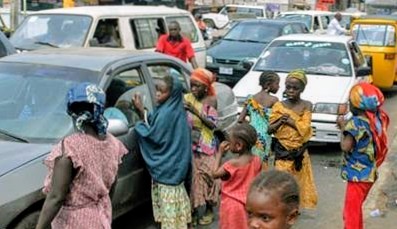
Channels Television has revealed a worsening street begging crisis in Kano State, highlighting deep poverty and its impact on children and adults forced to survive on the streets.
In its report, Channels TV said nearly 90% of Kano residents live below the poverty line, a situation that has contributed to a surge in street begging. Data shared in the piece showed that 68.7% of street beggars in the state are male, and many are Almajiri children—young boys sent to Quranic schools who are often left to beg for food and money despite Islam’s prohibition of begging.
The report traced the problem to long-standing resistance to Western education in the region, which has left many without marketable skills or stable employment. This educational gap, the report said, has increased reliance on begging, especially among vulnerable communities.
Amid the crisis, recent efforts to help some children have shown results. Channels TV highlighted that 57 Almajiri children were reintegrated with their families, supported with school enrollment and basic care, demonstrating that targeted intervention can make a difference.
The broadcast also aired at a time when street begging was drawing attention nationally after viral video clips from Lagos showed crowds pressing toward American streamer IShowSpeed during his visit to the city. Footage widely shared online depicted fans and bystanders crowding around his convoy and reaching toward him, prompting discussions on social media about poverty, public behaviour, and safety in crowded urban spaces. The clips, which circulated extensively on platforms including YouTube and Twitter, added to public commentary on begging and economic hardship in major cities like Lagos.
IShowSpeed was in Lagos as part of his “Speed Does Africa” tour and celebrated a milestone of 50 million YouTube subscribers during the visit. While his interactions were mostly positive and cultural, some moments — including fans asking for money — became subjects of online debate about how poverty is portrayed and how visitors experience the city.
Critics of the Channels TV report suggested the timing was meant to deflect from the viral Lagos clips, but supporters said it helped highlight a broader issue of systemic poverty in Nigeria, where the national poverty rate is projected to reach around 62%. The story in Kano, they argued, reflects deeper structural challenges that require government action, investment in education, and social support systems to reduce child begging and improve livelihoods.
Advocates are calling for stronger political will and comprehensive policies to address poverty, expand access to quality education, and protect vulnerable children from exploitation on the streets.