


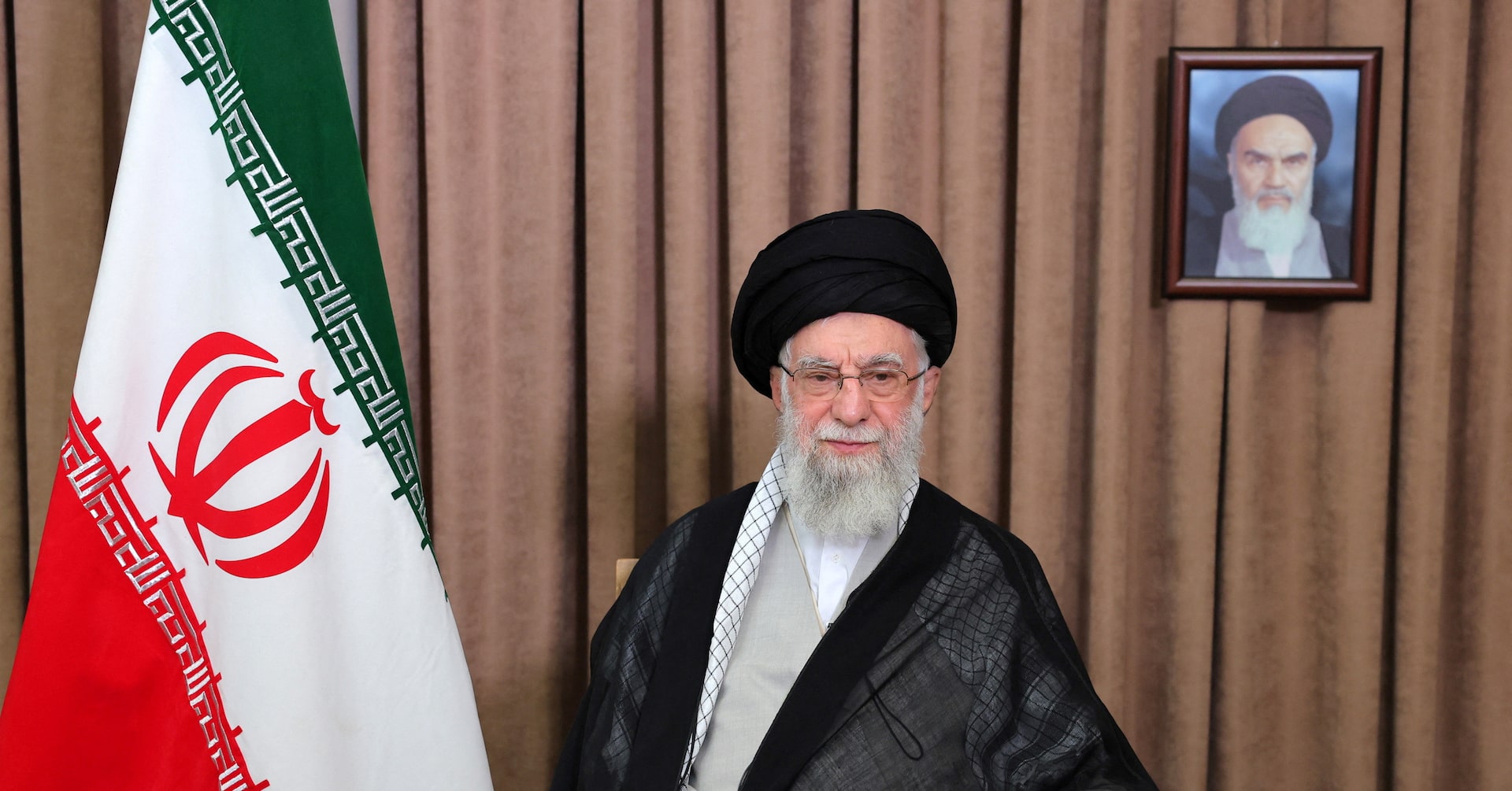
Reza Pahlavi, the exiled crown prince and eldest son of Iran’s last Shah, has announced that he will accept a call from the Iranian people to help lead the country through its current political crisis. Pahlavi, long known as a prominent opposition figure, made the declaration in a video message on his X account on Friday.
The announcement comes after the death of Iran’s Supreme Leader, Ali Khamenei, who was reportedly killed on Saturday in US and Israeli strikes. Following Khamenei’s death, Iran’s Assembly of Experts has been tasked with appointing a new leader in line with Iranian law, while a three-man transitional council, including the president, the head of the judiciary, and a member of the Guardians Council, has been temporarily appointed to oversee the country’s affairs.
Pahlavi, who has spent decades calling for protests against the Islamic Republic and advocating for the removal of the current regime, said the Iranian people have asked him to lead during this transition. “For nearly five decades, this terrorist regime has sown chaos and bloodshed across our region,” he said.
In his statement, Pahlavi emphasised his commitment to restoring stability and normalcy. “I have accepted this responsibility. Part of the mandate given to me is to return our nation and our foreign relations to normalcy. I will do exactly that,” he said. He added that his goal is to ensure a smooth transition, allowing Iranians to determine their future through democratic elections.
The exiled prince also appealed to neighbouring Arab countries and international partners to recognise and engage with the transitional leadership, urging global support to stabilise the nation. “Iranians have made their choice — at an enormous price. Now I ask our friends in the Arab world to join us,” he said.
While Pahlavi has accepted a leadership role during the transition, the Assembly of Experts has not yet officially announced Khamenei’s successor. Under Iran’s system, the supreme leader holds the ultimate authority over the country’s affairs, and the official appointment process remains ongoing.
Pahlavi’s acceptance marks a critical moment in Iran’s history, as the country faces both political uncertainty and international attention. Analysts note that his role in the transition could shape Iran’s domestic stability and foreign relations, particularly with Western countries and neighbouring states in the Middle East.