


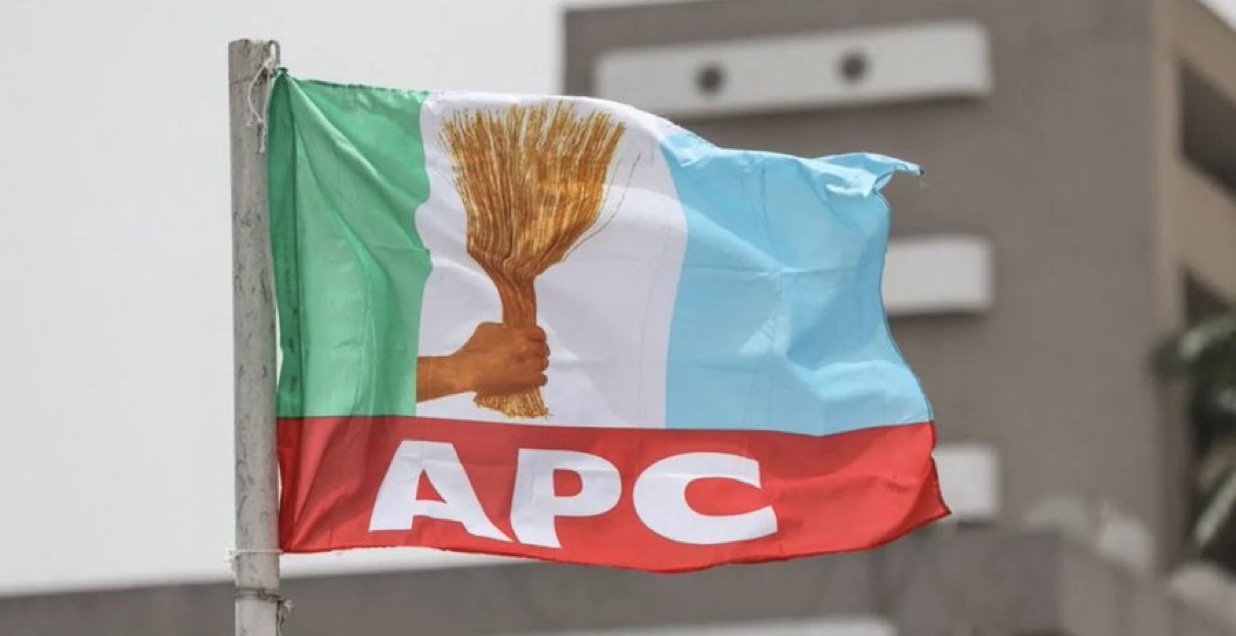
The All Progressives Congress (APC) in Ebonyi State has fixed N30 million as the cost of its nomination form for aspirants seeking to contest chairmanship positions in the state’s local government elections, a decision that has sparked public debate over the high cost of political participation.
The announcement was made by the APC State Chairman, Stanley Okoro Emegha, during a briefing with journalists in Abakaliki following a closed-door meeting of party officials from across the state.
According to Emegha, the meeting brought together the party’s 13 Local Government Chairmen, as well as 171 Electoral Ward chairmen and secretaries, and was aimed at preparing party leaders for upcoming political activities and strengthening internal coordination.
He explained that the gathering was organised to familiarise party executives with the APC’s programmes and ensure smooth communication across all levels of the party’s organisational structure.
Emegha added that aligning stakeholders ahead of future political engagements was necessary to maintain unity and effective mobilisation within the party.
Meanwhile, the high nomination fee drew renewed attention on Friday following reports that Osborn Umahi, son of the Minister of Works, Engr. Dave Umahi, had picked the APC nomination form to contest the chairmanship seat of Ohaozara Local Government Area.
His reported entry into the race attracted supporters to the APC Secretariat in Ebonyi State, where party faithful were said to have gathered to witness the purchase of the form.
The N30 million fee has continued to generate scrutiny, especially when compared with the official earnings of local government chairmen across Nigeria.
Data obtained from the Revenue Mobilisation Allocation and Fiscal Commission (RMAFC) shows that a local government chairman earns an annual basic salary of about N3.5 million, with allowances estimated at N2.7 million, bringing total yearly earnings to approximately N6.3 million.
Over a four-year tenure, this amounts to about N25.2 million, a figure that falls short of the N30 million nomination fee, even if the office holder saves all earnings throughout the term.
Observers have argued that the disparity between nomination costs and official earnings raises concerns about access to political office and reinforces long-standing worries about corruption and the monetisation of Nigeria’s political process.